

Exotic Animal Veterinarians in Enterprise, AL
Exotic pets have unique health, nutritional, and environmental needs. At West Gate Veterinary Hospital, our veterinary team provides care for a variety of exotic pets, with services tailored to each species and individual animal.
From routine wellness and preventive care to diagnosing and treating health concerns, we're here to help you understand your pet's needs and support their health at every stage of life.

Veterinary Care for Exotic Pets
Caring for an exotic pet involves more than treating illness. Diet, habitat, temperature, lighting, enrichment, and other aspects of daily care can all have an important impact on an exotic animal's health.
Our veterinary team takes a collaborative approach to exotic pet care, providing medical care along with guidance to help owners make informed decisions about nutrition, husbandry, preventive care, and their pet's overall well-being.
Exotic Pets We Treat
West Gate Veterinary Hospital provides veterinary care for a variety of exotic pets in Enterprise. Explore the categories below to learn more about the exotic animals our veterinary team cares for.

Rabbits & Small Mammals
Rabbits and other small mammals have unique nutritional, dental, and environmental needs. Regular veterinary care can help monitor their overall health and identify changes that may require attention.
Common pocket pet species our veterinarians care for are:
- Ferrets
- Rabbits
- Pot-bellied pigs
- Guinea pigs
- Chinchillas
- Hamsters
- Gerbils
- Sugar Gliders
- Hedgehogs
- And others

Reptiles
Reptiles require species-specific care, and factors such as temperature, humidity, lighting, habitat, and nutrition can significantly affect their health. Veterinary visits provide an opportunity to evaluate your reptile's health and discuss proper husbandry and preventive care.
The common reptiles our veterinarians care for are:
- Bearded dragons
- Geckos
- Iguanas
- Chameleons
- Snakes
- Turtles
- Tortoises
- And more
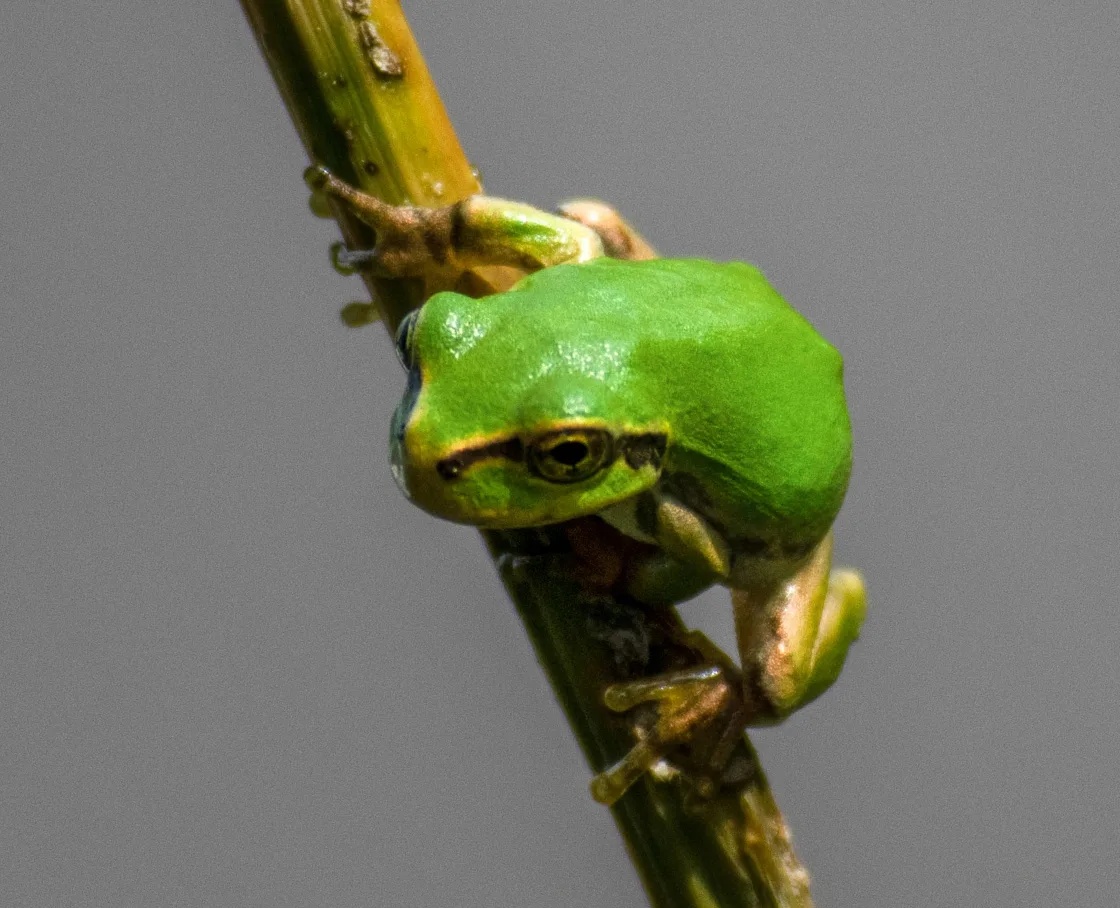
Amphibians
Amphibians can be particularly sensitive to changes in water quality, temperature, humidity, nutrition, and their environment. Species-specific husbandry and veterinary care can play an important role in maintaining their health.
Our veterinarians care for common amphibians, such as:
- Frogs
- Toads
- Salamanders
- Newts
- Axolotls
- And more
Exotic Pet Veterinary Services
The veterinary care an exotic pet needs varies considerably by species, age, lifestyle, and overall health. Depending on the services available at West Gate Veterinary Hospital, exotic pet care may include:
Contact our team to confirm that we treat your pet's specific species and offer the services they need.
Frequently Asked Questions About Exotic Pet Care
What animals are considered exotic pets?
In veterinary medicine, exotic pets generally include companion animals other than dogs and cats. Birds, reptiles, rabbits, ferrets, guinea pigs, hamsters, and amphibians are common examples. The species treated by exotic animal veterinarians vary, so contact West Gate Veterinary Hospital to confirm that we provide care for your specific pet.
How often should an exotic pet see a veterinarian?
Many exotic pets benefit from a veterinary wellness exam at least once a year, although recommended care varies by species, age, health, and individual needs. Your veterinarian can recommend an appropriate exam and preventive care schedule for your pet.
How can I tell if my exotic pet is sick?
Signs of illness vary by species but may include changes in appetite, weight, activity, behavior, breathing, appearance, or droppings. Some exotic animals instinctively hide signs of illness, making subtle changes especially important. Contact a veterinarian if you notice anything unusual or are concerned about your pet.
What should I bring to my exotic pet's veterinary appointment?
Bring your pet in a secure, species-appropriate carrier and provide any relevant medical records, medication or supplement information, and details about their diet and habitat. Photos of your pet's enclosure, food packaging, lighting setup, or other husbandry equipment can also help your veterinarian better understand their daily environment.
Why are diet and habitat important to an exotic pet's health?
Exotic pets often have highly species-specific requirements for nutrition and their environment. Factors such as diet, temperature, humidity, lighting, enclosure setup, and enrichment can directly affect health. Your veterinarian can help you understand your pet's needs and identify husbandry changes that may help prevent health problems.
Book an Appointment at West Gate Veterinary Hospital
New pets are always welcome at West Gate Veterinary Hospital. Our friendly veterinary staff looks forward to providing our neighbors in the area and surrounding communities with the veterinary care they need.