

Cancer Screening & Supportive Care
Cancer is one of the most common health conditions diagnosed in dogs and cats, particularly as they age. Early detection and veterinary evaluation can help identify concerns sooner and support informed treatment decisions.
Our Enterprise veterinary team can help evaluate suspicious lumps, changes in health, and other signs that may indicate cancer. We also provide guidance, diagnostic testing, supportive care, and referrals when advanced oncology services are needed.

Common Signs of Cancer in Pets
While symptoms vary depending on the type and location of cancer, signs may include:
New or changing lumps and bumps
Unexplained weight loss
Decreased appetite
Lethargy
Persistent lameness
Difficulty breathing
Changes in bathroom habits
Abnormal bleeding or discharge
Non-healing wounds
Swelling or enlargement of body areas
Not all of these signs indicate cancer, but they should be evaluated by a veterinarian.
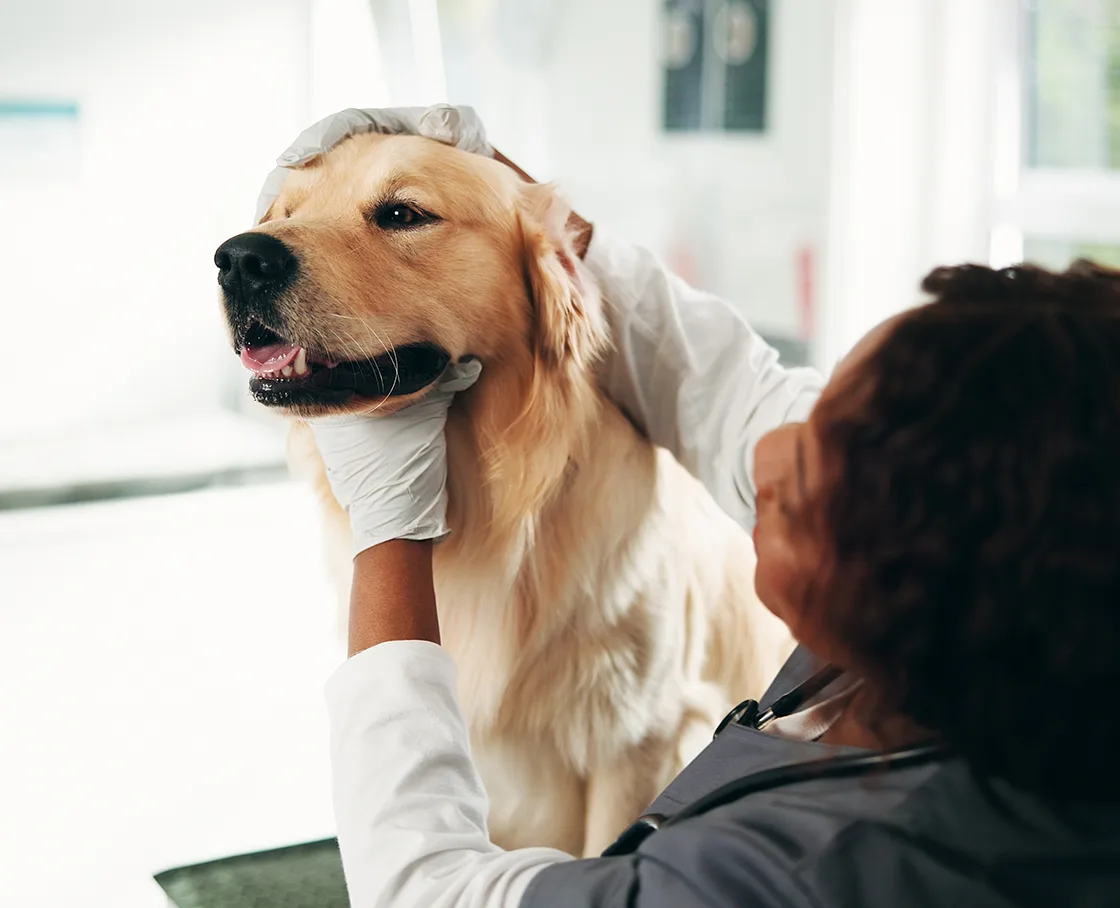
Cancer Screening & Diagnosis
If cancer is suspected, your veterinarian may recommend diagnostic testing to better understand your pet's condition.
Diagnostic services may include:
Physical examinations
Fine needle aspirates
Laboratory testing
Biopsies
Radiographs (X-rays)
Ultrasound imaging
Additional diagnostic procedures as needed
These tests can help identify abnormalities, determine the extent of disease, and guide treatment recommendations.
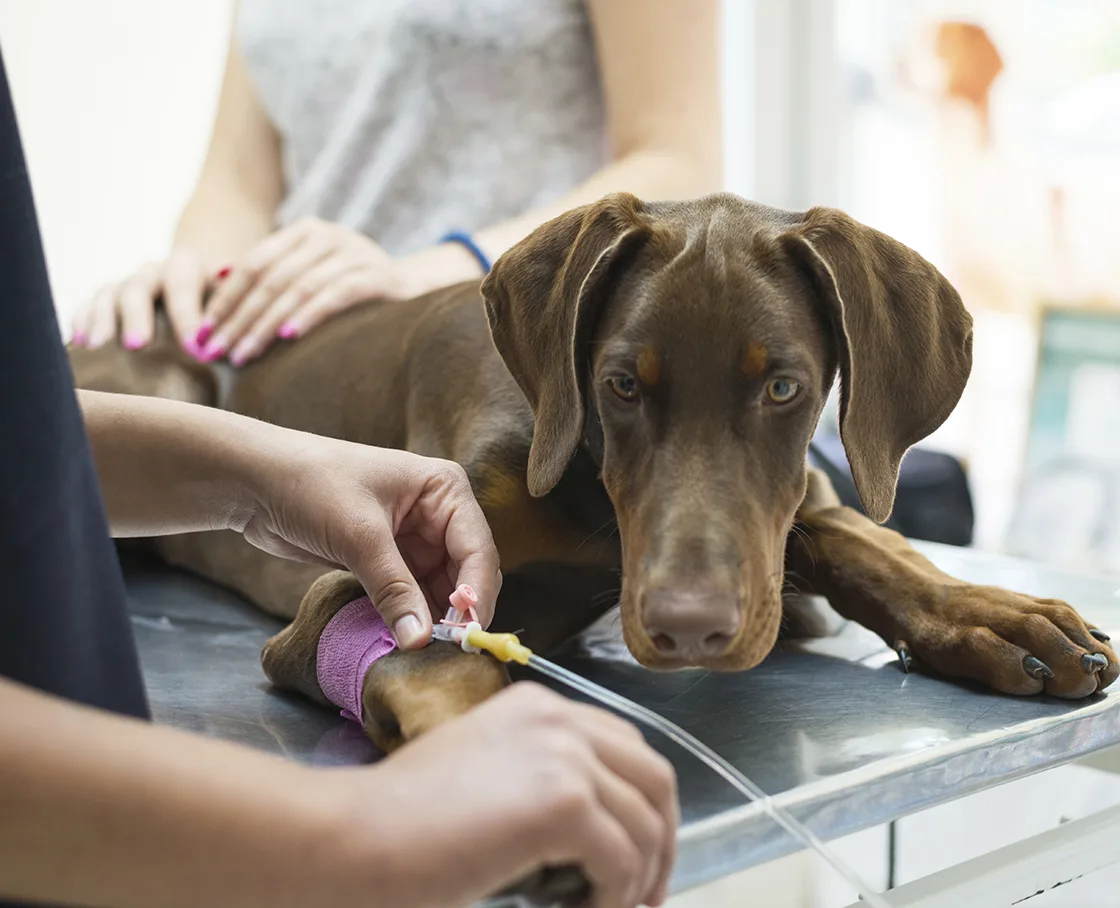
Treatment & Management Options
Treatment recommendations depend on the type of cancer, its location, your pet's overall health, and your family's goals.
Management options may include:
Surgical removal of masses
Ongoing monitoring
Pain management
Supportive care
Nutritional recommendations
Referral to a veterinary oncologist
Coordination of specialty care
Your veterinarian will discuss available options and help you make decisions based on your pet's individual needs.

Quality of Life Support
Maintaining quality of life is an important part of cancer care. Veterinary support may focus on:
Comfort and pain management
Appetite support
Mobility assistance
Symptom management
Ongoing monitoring
The goal is to help pets remain as comfortable and active as possible throughout their care.
Frequently Asked Questions
What should I do if I find a lump on my pet?
Any new lump or bump should be evaluated by a veterinarian. While many growths are benign, some may require further testing.
Does a lump always mean cancer?
No. Many lumps and masses are non-cancerous. Diagnostic testing is often needed to determine the nature of a growth.
How is cancer diagnosed in pets?
Diagnosis may involve a physical examination, laboratory testing, imaging, fine needle aspiration, biopsy, or a combination of these methods.
Can cancer be treated in a general practice hospital?
Many aspects of cancer care, including diagnostics, surgery, monitoring, and supportive care, can be provided by a general practice veterinarian. Some cases may be referred to a veterinary oncologist for specialized treatment.
When should my pet see a veterinary oncologist?
Referral may be recommended for advanced diagnostics, chemotherapy, radiation therapy, or complex cancer treatment planning.
How can I support my pet after a cancer diagnosis?
Regular veterinary care, symptom management, proper nutrition, and monitoring can help support your pet's comfort and quality of life throughout treatment.
Book an Appointment at West Gate Veterinary Hospital
New pets are always welcome at West Gate Veterinary Hospital. Our friendly veterinary staff looks forward to providing our neighbors in the area and surrounding communities with the veterinary care they need.