
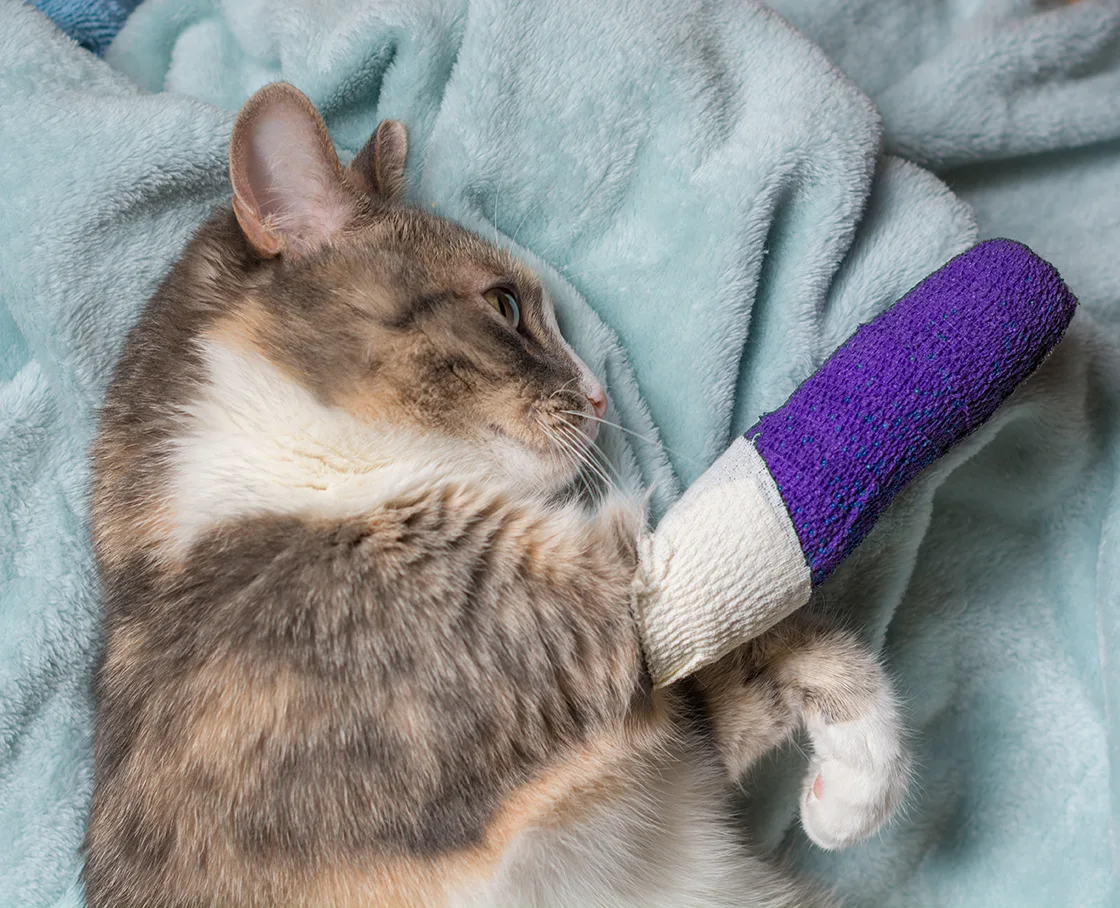
Veterinary Orthopedic Surgery in Enterprise
An orthopedic injury or condition can make everyday activities painful for your pet. Walking, climbing stairs, playing, or simply getting comfortable may become difficult when a problem affects the bones, joints, ligaments, tendons, or other supporting structures.
At West Gate Veterinary Hospital, we provide veterinary orthopedic care designed to help pets move more comfortably and maintain the best possible quality of life. When surgery is appropriate, our veterinary team will develop an individualized treatment and recovery plan based on your pet’s condition, overall health, and specific needs.
Call us at (334) 347-3475 or request an appointment online to schedule an orthopedic evaluation for your pet.
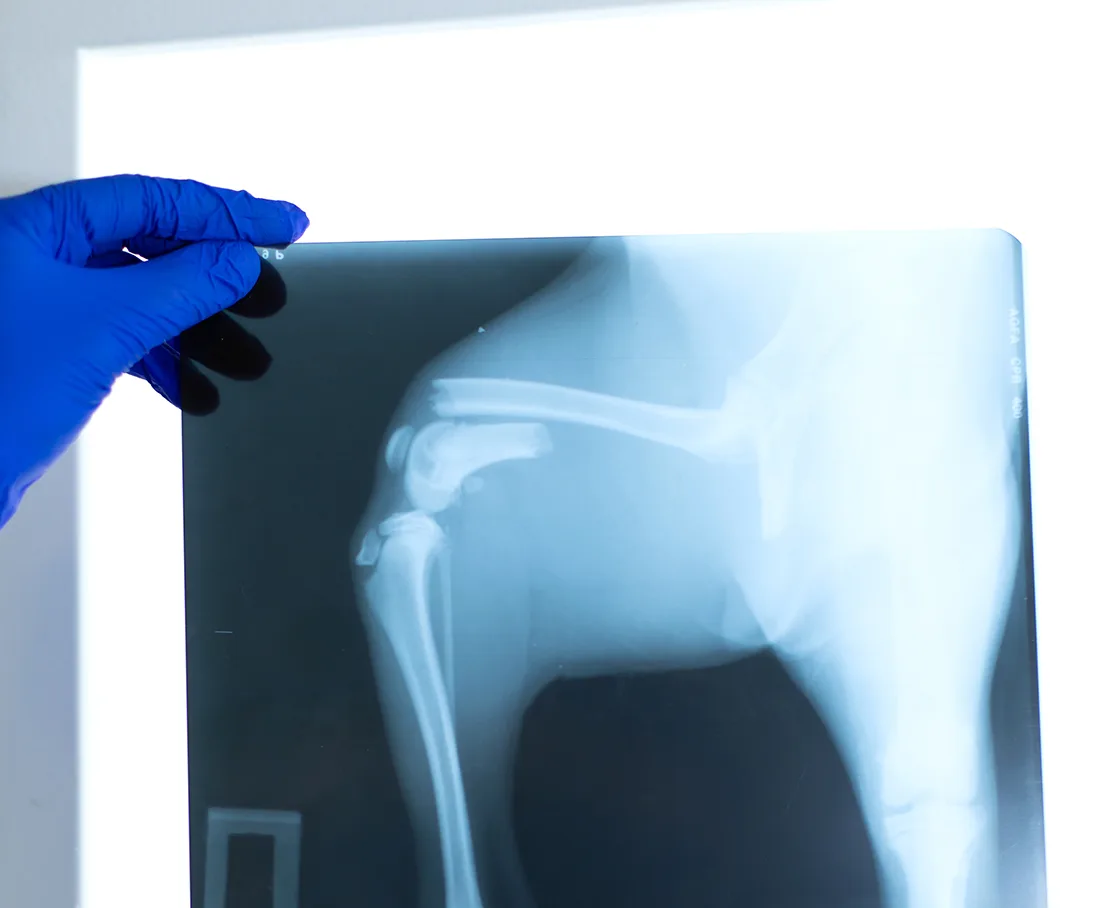
What Is Veterinary Orthopedic Surgery?
Veterinary orthopedic surgery focuses on conditions and injuries affecting a pet’s musculoskeletal system, including the bones, joints, ligaments, tendons, and supporting tissues.
The purpose of orthopedic surgery may be to stabilize an injured or weakened area, correct a structural problem, support healing, reduce pain, or improve the way a pet moves. Orthopedic conditions can develop suddenly following an injury or gradually because of aging, repetitive stress, joint instability, or an inherited or developmental condition.
Surgery is not always the first or only treatment option. Your veterinarian will evaluate your pet and determine whether medical management, activity modification, rehabilitation, surgery, or a combination of treatments is most appropriate.
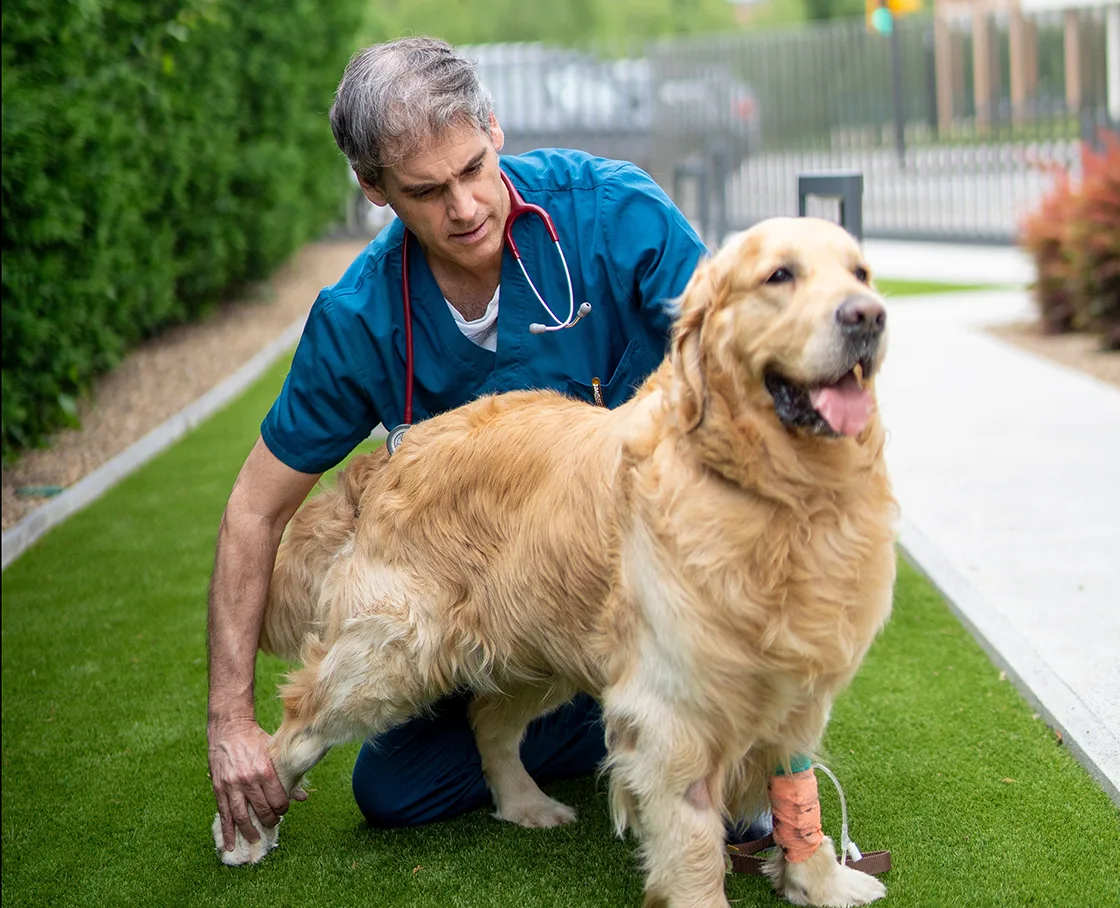
Why Is Orthopedic Care Important?
Healthy movement affects nearly every part of your pet’s daily life. When standing, walking, or changing positions becomes painful, pets may exercise less, lose muscle strength, have difficulty maintaining a healthy weight, or stop participating in activities they once enjoyed.
Pets may also change the way they stand or walk to avoid using a painful limb. Over time, this compensation can place additional stress on other parts of the body.
An orthopedic evaluation helps identify the source of your pet’s discomfort and allows your veterinarian to recommend treatment based on the underlying problem—not just the visible symptoms. When surgery is recommended, timely treatment may help restore stability, support healing, and protect your pet’s long-term mobility.
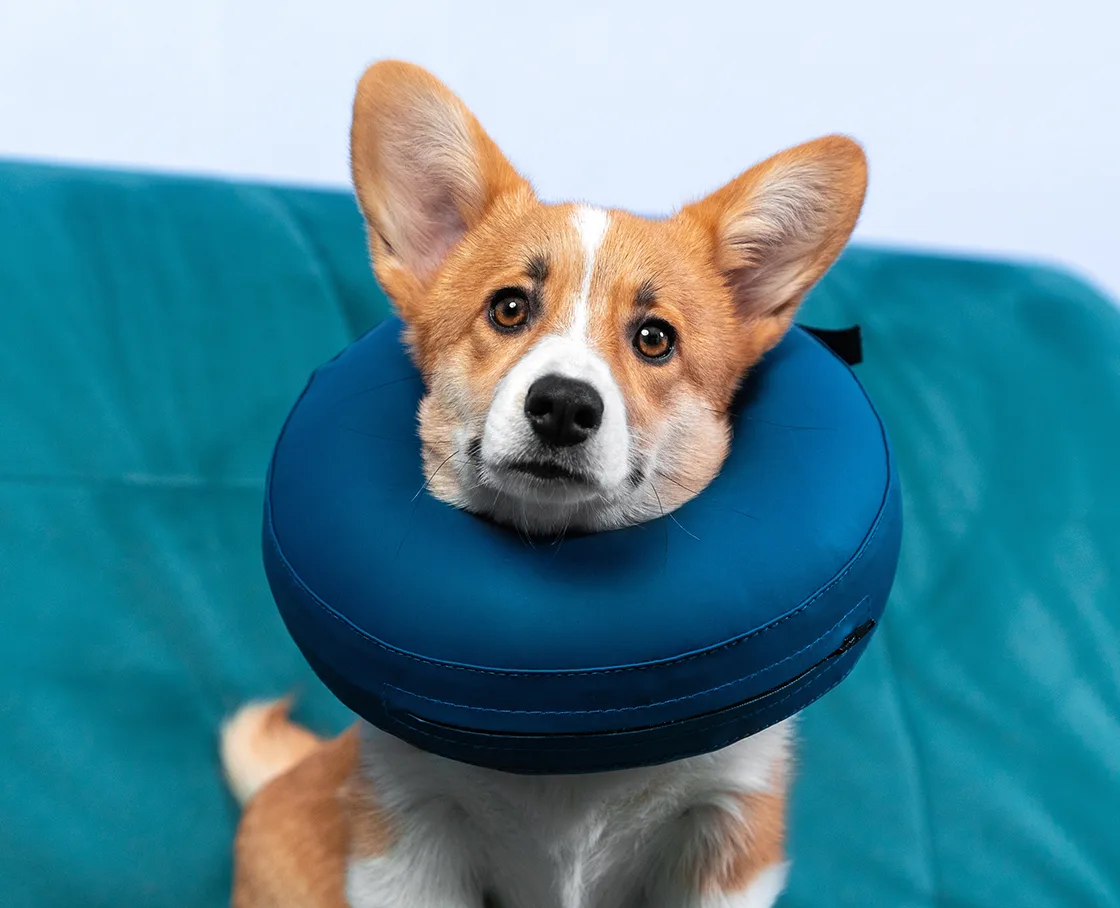
How Could Orthopedic Surgery Benefit My Pet?
Depending on your pet’s diagnosis, orthopedic surgery may help:
Reduce pain associated with an injured or unstable area
Improve joint or limb stability
Restore or improve mobility
Support proper healing following an injury
Make standing, walking, and other daily activities more comfortable
Help your pet return to an appropriate level of activity
Improve overall comfort and quality of life
Every pet’s condition and recovery are different. Before recommending surgery, your veterinarian will discuss the expected benefits, potential risks, recovery requirements, and realistic goals for your pet.
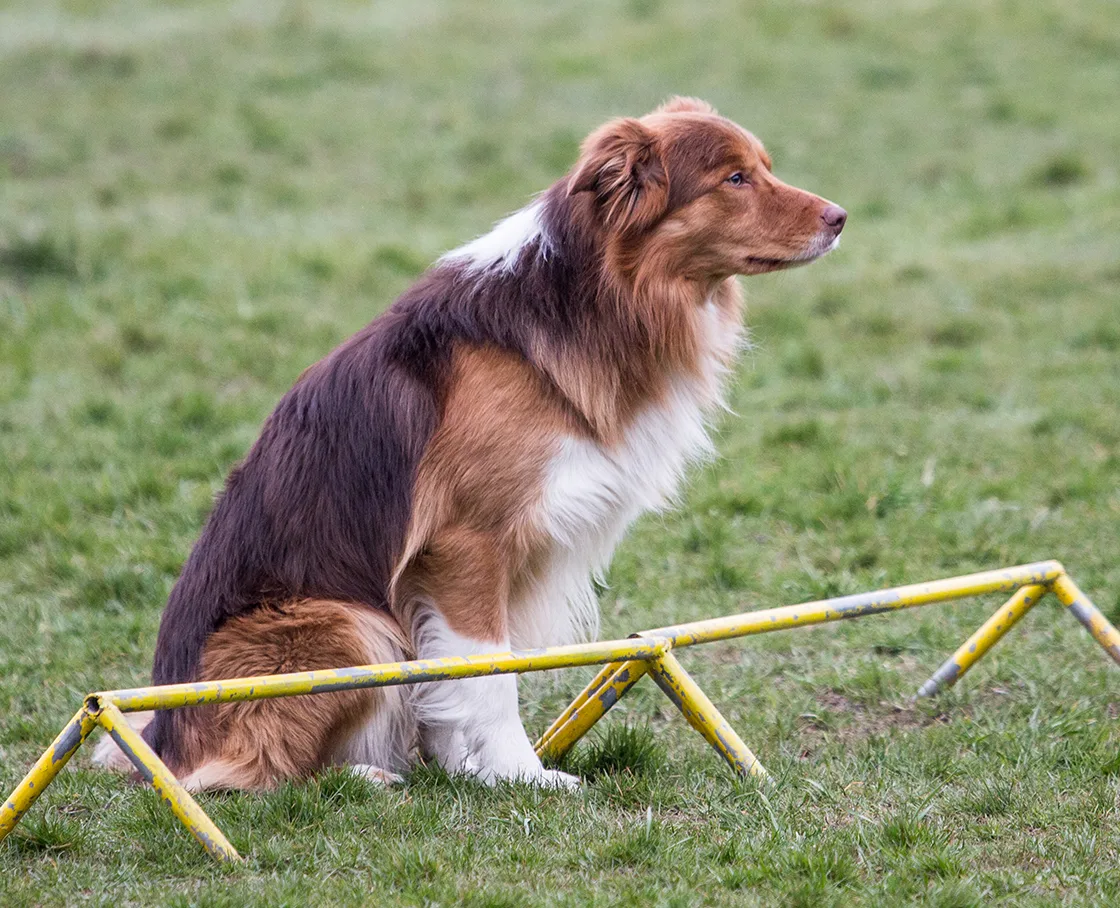
Signs Your Pet May Need an Orthopedic Evaluation
Some orthopedic problems cause sudden, obvious symptoms, while others develop gradually. Contact your veterinarian if you notice:
Limping or favoring one leg
Stiffness, especially after resting
Difficulty standing up or lying down
Reluctance to walk, run, jump, or climb stairs
Decreased interest in play or exercise
Swelling or tenderness around a limb or joint
An unusual posture or change in gait
Loss of muscle mass in one or more limbs
Repeatedly licking or chewing at a joint or limb
Crying out or reacting when touched or moved
Sudden inability to place weight on a limb
A change in mobility does not automatically mean your pet needs surgery. However, an examination is important because limping and stiffness are symptoms rather than specific diagnoses.
Seek prompt veterinary care if your pet suddenly cannot walk or bear weight, experiences a significant injury, has an obvious deformity, or appears to be in severe pain.
What to Expect From an Orthopedic Evaluation
Your pet’s visit will begin with a review of their symptoms, medical history, activity level, and any known injuries. Your veterinarian may observe your pet standing and walking and examine the affected area for pain, swelling, instability, reduced range of motion, or other abnormalities.
Diagnostic testing may be recommended to better understand the source and extent of the problem. The tests needed will depend on your pet’s symptoms and condition.
Once a diagnosis has been made, your veterinarian will discuss the available treatment options. Recommendations may be influenced by several factors, including:
The type and severity of the condition
Your pet’s age, size, and overall health
How long the problem has been present
Your pet’s normal activity level
Whether other treatments have been attempted
The anticipated benefits and recovery requirements
If orthopedic surgery is recommended, our team will explain what to expect before, during, and after your pet’s procedure so you can make an informed decision about their care.
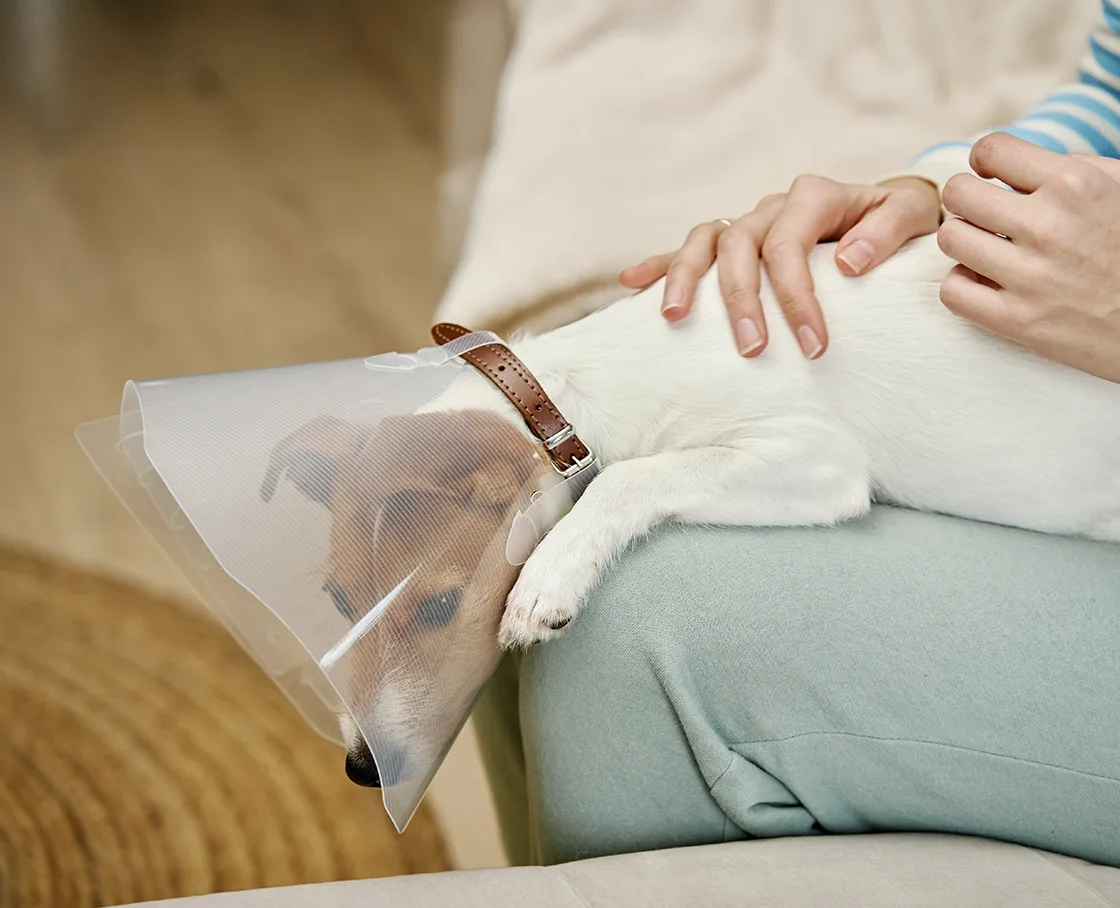
Supporting Your Pet’s Orthopedic Surgery Recovery
Recovery is an essential part of orthopedic treatment. Your pet may need temporary activity restrictions, pain medication, follow-up examinations, and a gradual return to normal movement. Rehabilitation or therapeutic exercises may also be recommended as part of the recovery plan.
Following your veterinarian’s instructions carefully can help protect the surgical area and support proper healing. This may include preventing running or jumping, limiting access to stairs, keeping your pet in a safe recovery space, monitoring the incision, and attending scheduled recheck appointments.
Recovery timelines vary considerably. Your veterinary team will provide instructions based on your pet’s procedure, health, progress, and individual needs.

Orthopedic Care Focused on Your Pet’s Comfort and Mobility
At West Gate Veterinary Hospital, we understand how difficult it can be to watch your pet struggle with pain or limited mobility. Our team will take the time to evaluate your pet, explain the available options, and help you understand what to expect throughout treatment and recovery.
If your pet is limping, showing signs of discomfort, or having difficulty moving, contact us at (334) 347-3475 to schedule an orthopedic evaluation.
Veterinary Orthopedic Surgery FAQs
What is veterinary orthopedic surgery?
Veterinary orthopedic surgery treats injuries and conditions involving a pet’s bones, joints, ligaments, tendons, and other parts of the musculoskeletal system. Its goals may include reducing pain, restoring stability, supporting healing, and improving mobility.
Why might my pet need orthopedic surgery?
A pet may benefit from orthopedic surgery when an injury or structural condition causes pain, instability, or loss of function that is unlikely to improve adequately with nonsurgical treatment alone. A veterinarian must examine your pet before determining whether surgery is appropriate.
What are the signs of an orthopedic problem in a pet?
Common signs include limping, stiffness, difficulty standing, reluctance to jump or climb stairs, swelling, reduced activity, changes in posture, and sensitivity when a limb or joint is touched. Symptoms may appear suddenly or develop gradually.
Does limping mean my pet needs surgery?
No. Limping is a symptom that can have many possible causes, and not every cause requires surgery. Your veterinarian may recommend an examination and diagnostic testing to identify the problem before discussing treatment options.
Is orthopedic surgery always necessary?
No. Depending on the diagnosis, some orthopedic conditions may be managed with medication, weight management, activity modification, rehabilitation, or other nonsurgical treatments. Surgery may be recommended when it offers the best opportunity to improve comfort, stability, or function.
How does a veterinarian decide whether my pet is a surgical candidate?
Your veterinarian will consider your pet’s diagnosis, overall health, age, size, activity level, symptoms, and expected quality-of-life benefit. A physical examination, diagnostic imaging, and preoperative testing may be recommended before a final decision is made.
Can an older pet have orthopedic surgery?
Yes, some senior pets may be candidates for orthopedic surgery. Age alone does not determine whether surgery is appropriate. Your veterinarian will evaluate your pet’s overall health, medical conditions, anesthesia considerations, and the potential benefits of treatment.
Will my pet experience pain after orthopedic surgery?
Some discomfort is expected after surgery, but pain management is an important part of orthopedic care. Your veterinary team will develop a pain-control plan and provide instructions for keeping your pet comfortable during recovery.
How long does recovery from orthopedic surgery take?
Recovery time varies depending on the condition, procedure, and individual pet. Some pets require several weeks or longer before gradually returning to normal activity. Your veterinary team will provide a personalized timeline and monitor your pet’s progress at follow-up visits.
Will my pet need rehabilitation after surgery?
Rehabilitation may be recommended to help maintain flexibility, rebuild strength, and support a safe return to activity. The type and timing of rehabilitation will depend on your pet’s procedure and recovery progress.
How should I prepare my home for my pet’s recovery?
Your pet may need a quiet, confined recovery area with secure footing and limited access to stairs or furniture. Your veterinary team will provide specific instructions regarding activity, feeding, medications, incision care, and follow-up appointments.
When is an orthopedic problem an emergency?
Seek prompt veterinary attention if your pet experiences a major injury, suddenly cannot stand or bear weight, has an obviously abnormal limb position, develops severe swelling, or appears to be in significant pain.
What orthopedic surgery services are available at West Gate Veterinary Hospital?
Available orthopedic services may vary by hospital location and the needs of each patient. Please contact West Gate Veterinary Hospital at (334) 347-3475 to discuss your pet’s condition and learn more about the care available at our hospital.
Book an Appointment at West Gate Veterinary Hospital
New pets are always welcome at West Gate Veterinary Hospital. Our friendly veterinary staff looks forward to providing our neighbors in the area and surrounding communities with the veterinary care they need.